Gas appliance fault diagnosis and repair enquiries in Gauteng
When a gas stove, fireplace or water heater fails, the first step is identifying the appliance, the symptom and whether the gas supply or a safety component is involved. We help you arrange an appropriate assessment.
Based in Laser Park, Roodepoort · Enquiries across Gauteng
The symptoms tell us where to begin
A gas appliance that clicks without lighting is a different problem from one that lights and then shuts down. Water heaters also depend on water-flow and temperature controls, while fireplaces may depend on a pilot, flame sensor and flue arrangement. Tell us which appliance has stopped working and what you have observed. We will clarify the likely inspection scope and any safety concern before proposing the next step.
Choose the correct appliance fault assessment
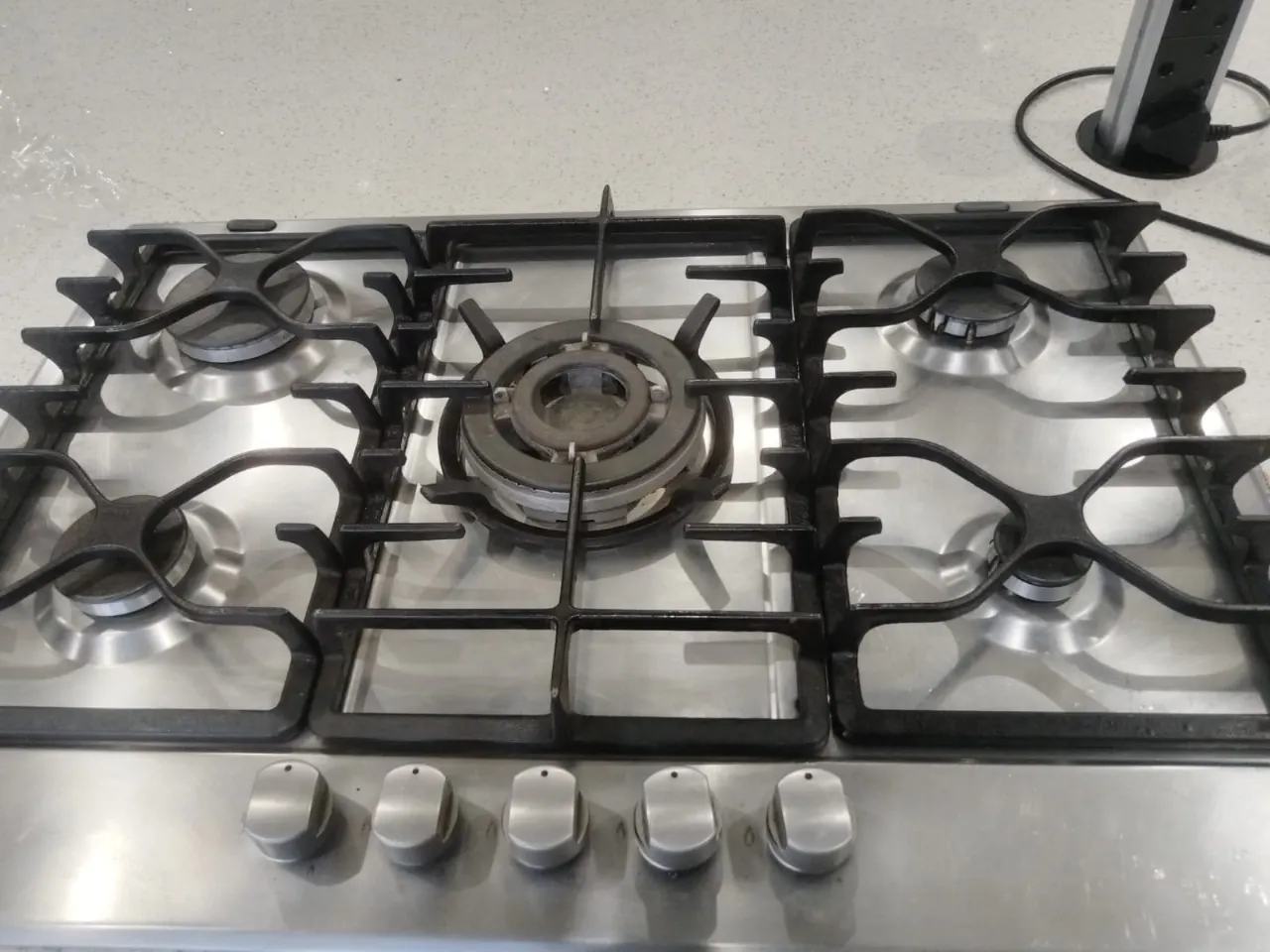
Gas hobs have separate burner ignition components and controls; gas ovens may include thermostatic controls and flame-failure devices; instantaneous water heaters respond to water flow and heat demand. A fireplace may require attention to a pilot assembly or combustion-air path. We identify what equipment is installed before discussing components because a part suitable for one type of appliance may be completely wrong for another. Photographs of the appliance front and an accessible model label usually help.
When several appliances fail together
A household may notice weak stove flames and an unreliable water heater on the same day. This pattern needs a different enquiry from one damaged hob electrode. It can point to a shared supply or installation condition that must be examined by an appropriately authorised person. We ask which appliances are connected and whether the failure affects all of them. Do not change regulators, move cylinders or attempt to test gas pipe joints yourself.
Ignition and flame supervision
A spark confirms only that a component is trying to ignite; it does not prove fuel is reaching the burner correctly or that the flame will remain safely established. Likewise, a unit that switches off when a control is released may be responding to its flame-sensing protection. We treat these symptoms as diagnostic clues, not an invitation to override a safety system. Repeated failed ignition attempts are not a safe substitute for assessment.
Water heaters need water-side observations
An instantaneous gas geyser may start from a kitchen tap yet stop at the shower because the outlets demand different flow rates. A clogged showerhead, restrictive mixer, water pressure variation or a heater-side flow-sensing defect can present a similar complaint. Tell us which outlets work and how long hot water lasts. This information helps distinguish a water-demand issue from a burner or electronic ignition fault without guessing that every cold shower requires a new geyser.
A safe response to gas odour or soot
If gas is suspected, avoid operating switches or flames; move away from the affected area and contact the appropriate emergency gas service from a safe location. A sooting flame, unusual exhaust smell or combustion-products concern also means the appliance should not be treated as operating normally. Routine booking is not an emergency response channel. We can discuss a repair only once the immediate situation has been addressed safely.
Repair scope, registration and documentation
Gas appliance diagnosis, work on supply pipework and issuing a gas certificate are not automatically the same authorisation. Installation, modification and regulated gas work must be handled within the relevant registered practitioner’s scope. Where the proposed work involves the gas installation, the correct practitioner and documentation should be confirmed beforehand. We do not assume that replacing an appliance control automatically permits changes to a regulator, flue or fixed gas line.
Preparing a useful repair enquiry
Provide your town and suburb, the appliance brand and model if visible, the precise fault, and whether it occurs cold, hot or after a period of use. Photographs should be taken without opening covers or moving gas connections. Mention property access arrangements and whether the equipment serves a home, office or other occupied building. We can then discuss whether an appliance visit, specialist installation assessment or emergency referral is the appropriate next step.
How we discuss costs and next steps
Fault descriptions sometimes suggest several possible causes. We do not present an estimated replacement part as a confirmed diagnosis before inspection. Explain any previous repair attempts, whether the unit has had repeated breakdowns and whether manufacturer parts are still available. We can discuss an assessment, the likely limitations and quotation arrangements; any safety-critical work must be evaluated before the appliance returns to use.
Questions about this repair
Is a continuously clicking stove always an electrical problem?
No. The switch, ignition circuit and burner condition need to be distinguished.
Does a cold shower mean the gas supply has failed?
Not necessarily. Water demand, sensors, ignition and burner control may all be relevant.
Can I book a gas leak through the normal form?
Do not use a routine booking form for a suspected emergency. Move to safety and contact emergency gas assistance.
Other repair options
Find the appliance service or nearby service area that matches your enquiry.
Need help with your gas appliance?
Tell us the make, model, fault and service address so we can discuss a suitable next step.