Gas stove or geyser stops working after an LPG cylinder change
If a stove, oven or gas geyser stopped operating just after an LPG cylinder exchange, report which appliances are affected and the order in which the symptoms appeared.
Based in Laser Park, Roodepoort · Enquiries across Gauteng
Understanding the right next step
A recent cylinder exchange is a useful part of the fault history but is not enough to diagnose the problem. Some complaints concern a single appliance’s ignition sequence; others affect several gas appliances that share a supply. The right response is to distinguish these scenarios, not alter the pressure regulator or repeatedly release gas to test the line.
Only one stove burner has changed behaviour
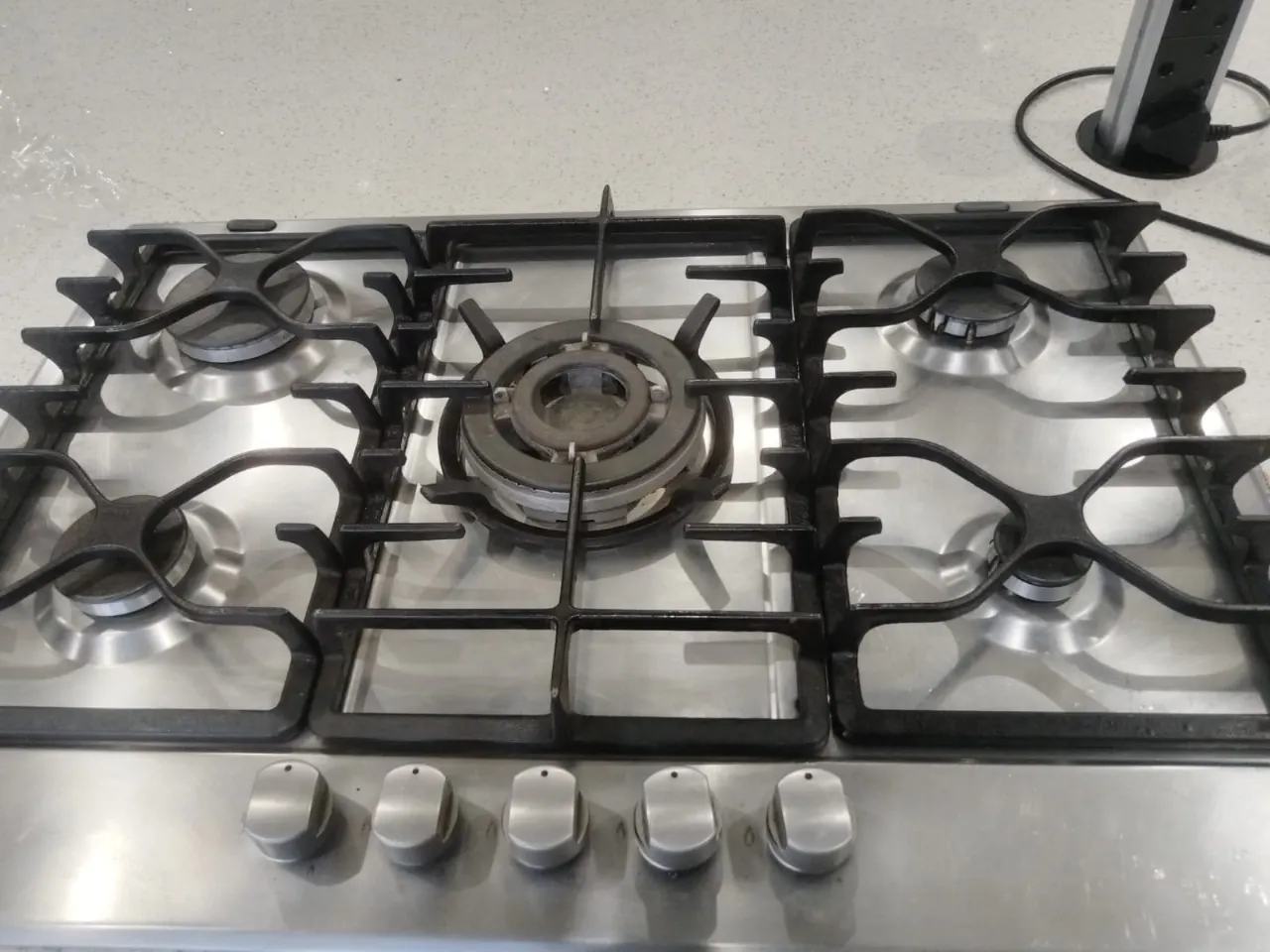
If the remaining rings behave normally, that pattern may point towards an appliance-specific issue rather than a complete supply interruption. Burner components and ignition systems can fail independently of a cylinder exchange. We ask when the fault began and whether the affected ring ignites, burns weakly or goes out.
Stove and gas geyser both fail together
A simultaneous change in multiple appliances makes the common gas system relevant to the assessment. Cylinder, connection, regulator suitability and installed system conditions can be considered by a registered practitioner. Do not disconnect the regulator, substitute a hose or fit a different pressure device as an experiment.
The gas appliance sparks but will not light
Sparking does not establish that safe gas conditions exist at the burner. A failed ignition attempt after cylinder replacement should not prompt repeated extended control operation. Stop if the appliance does not behave normally, especially if any smell is detected, and arrange appropriate qualified attention.
An intermittent heater lockout follows the change
Gas water heaters can stop themselves when conditions fail their normal control checks. Whether the heater shows a code and whether the stove is affected helps frame the enquiry. The cylinder size alone cannot explain every lockout; water demand and the heater’s own electrical or flame-sensing system may also matter.
Do not improvise regulator or cylinder fittings
LPG equipment must use fittings and regulators suitable for the appliance, cylinder and authorised installation. Mixing parts from incompatible systems is dangerous. Only qualified persons should alter the gas supply arrangement. A suspected leak requires moving to safety and contacting emergency or suitably registered help, not waiting for a routine online reply.
Provide the installation history
Tell us whether this is the same cylinder type and usual exchange process, whether a third party changed the supply arrangement and whether any appliance was recently installed. We do not need you to dismantle anything or test an open connection; a description of normal use and changed behaviour is enough to begin.
Selecting a suitable next step
The enquiry may require an appliance repair assessment, a supply-system check by an authorised gas practitioner or advice from the cylinder supplier. We discuss the symptoms and service location, then clarify the appropriate work scope. We do not promise that a regulator replacement is the answer before inspection.
Answers before you book
Should I change regulator pressure to make the flame stronger?
No. Pressure regulators and gas-system work require suitable authorised assessment.
Does a working stove mean the gas geyser must be faulty?
Not necessarily. Appliance demand and controls differ.
What if I smell gas after changing the cylinder?
Stop use, move to safety and seek immediate qualified or emergency assistance.
Find the right appliance service
Choose the fault or appliance that matches your situation, or contact our team to discuss the symptoms.
Discuss your gas appliance enquiry
Share the appliance model, symptoms and your suburb. We will discuss the appropriate next step and available service arrangements.